



The Hospitality industry is at an exciting crossroads! As we look toward 2025, despite economic challenges, the desire to travel remains exceptionally resilient.
Today's travelers are not merely booking trips; they are seeking personalized, transformative experiences that leverage the latest technologies while maintaining meaningful human connections. Although inflation has limited disposable income, the unwavering desire to travel continues to be a powerful force!
Which are the 5 trends transforming Hospitality in 2025 and increasing Hotel Profitability?
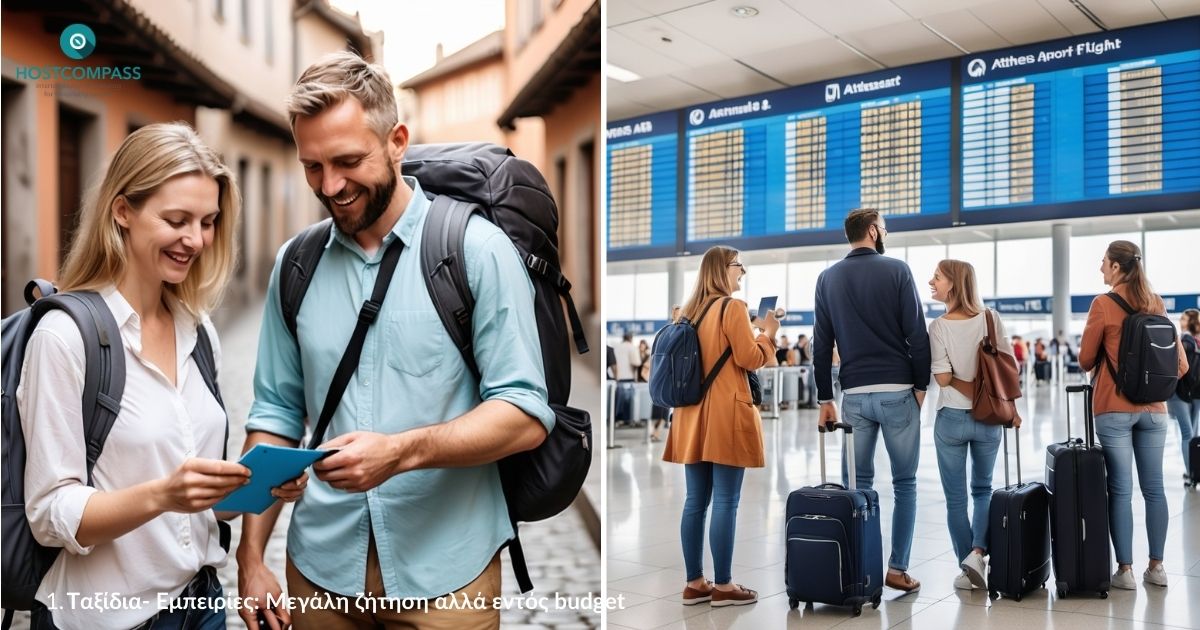
1. Experience-Based Travel: High Demand, But Within Budget
In 2024, hotel prices stabilized globally, and travelers adopted a more cautious approach to spending. The outlook for 2025 appears promising.
With inflation expected to decline in key markets and real wages projected to rise, financial pressure on travelers is easing. As a result, they seek travel experiences that offer value—unique and enriching, yet budget-conscious. For many, travel remains a priority, often taking precedence over home renovations or luxury purchases.
According to a Skyscanner survey, 37% of respondents plan to spend more on flights, while 31% intend to increase their hotel expenses compared to 2024. These findings indicate a positive outlook, even as travelers remain price-conscious. Today's travelers are more strategic, seeking maximum value without compromising on the experience.
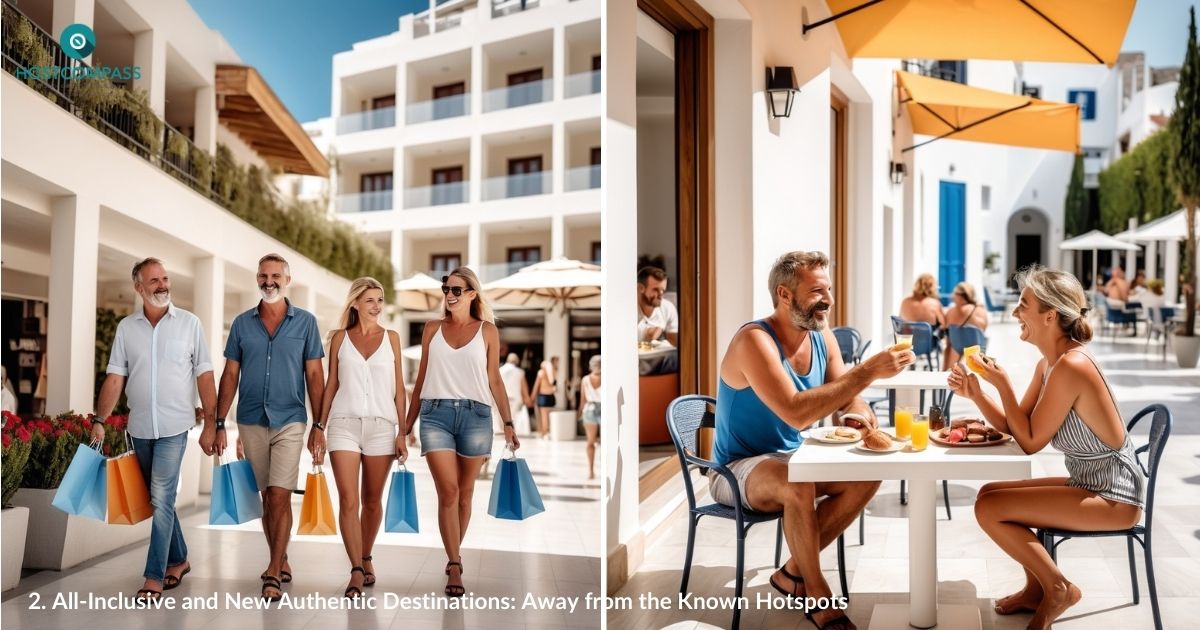
2. All-Inclusive & Authentic New Destinations: Away from the Usual Hotspots
All-inclusive resorts and packaged vacations are experiencing a revival, particularly among Gen Z travelers, who value cost efficiency and convenience.
In 2025, a clear trend is emerging: travelers are seeking more personalized and authentic experiences. As a result, new, unique, and innovative destinations are on the rise—offering exceptional value, deep connections with people and nature, and escapes from the crowds and high costs of traditional hotspots.
Research indicates that over 26% of global travelers plan to visit less crowded destinations, while 63% are considering venturing beyond major tourist hubs to explore lesser-known locations. Social media continues to fuel this shift, serving as both inspiration and a guide for those seeking off-the-beaten-path experiences.
Additionally, business travel is gaining momentum, with global traveler numbers expected to surpass 2019 levels, pushing spending beyond pre-pandemic figures.

3. Short-Term Rentals: They Are Here to Stay and Meet Demand
Despite efforts in recent years to curb the rapid growth of short-term tourist rentals in certain areas, there were no signs in 2024 that the expansion of supply was slowing down overall. With consumers seeking special and unique vacations in new destinations, short-term rentals are well-positioned to meet this demand, and the market as a whole is developing to satisfy it.
Our data shows that in nearly 500 markets worldwide, total supply increased by 13% from October 2023 to October 2024. Paris +47%, mainly due to property owners seeking to capitalize on the demand from the 2024 Olympic Games. More specifically, the following increases were noted:
- Dubai +39%
- Marrakech +29%
- São Paulo +28%
- Rio de Janeiro +23%
- North America +36.7%
However, regulatory regulations remain a significant factor influencing the market dynamics, contributing to its slight contraction. Decrease has been observed in the following markets:
- Glasgow -16%
- Queens, New York -7%
- Edinburgh -6%
- Palma de Mallorca -4%
- Brooklyn, New York -2%
- Ibiza -1%
- Menorca -1%
This shrinkage occurred despite strong demand growth in all these destinations.
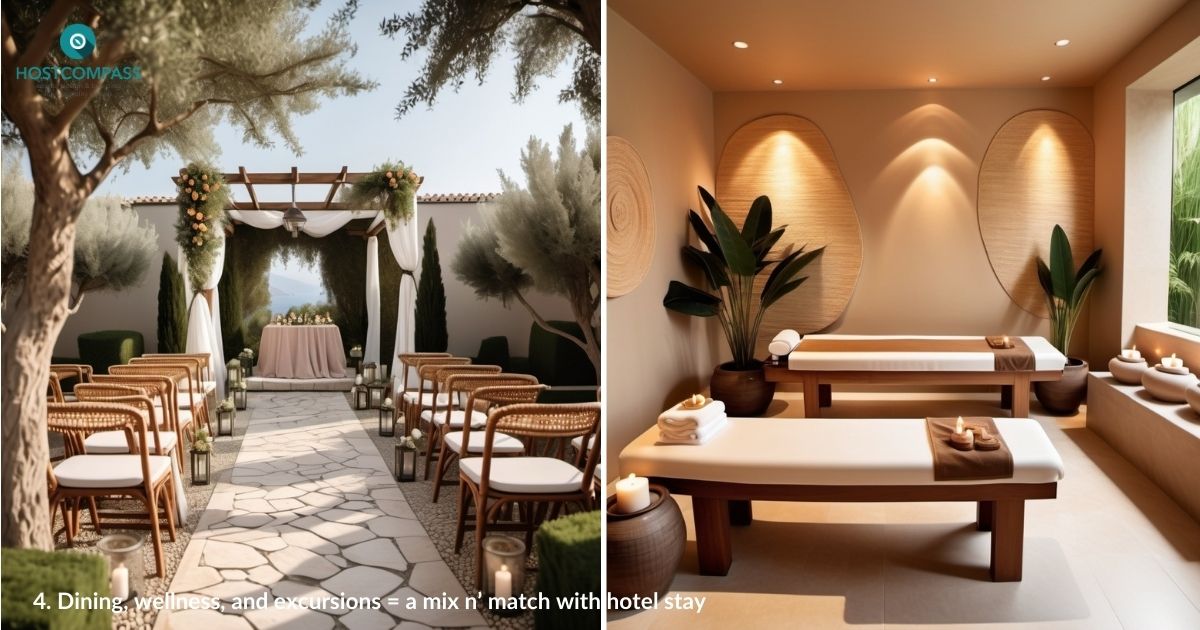
4. Dinners, Wellness Services, Excursions: Mix and Match with the Room
As travelers prefer unique experiences, there is an increasing opportunity for hotels to optimize not only room revenue but also every aspect of the guest's stay.Total Revenue Management (TRM) focuses on maximizing revenue from all the services offered, such as dining, spas, and events. The goal is to increase Revenue Per Available Room (TRevPAR) or Revenue Per Available Guest (RevPAG). TRM is combined with enhancing guest satisfaction through personalized offers, setting the strategy to improve the guest experience.
To maximize revenue, hotels can offer a variety of additional services that enhance the guest experience, including dining services, themed dinners, wine tastings, or organized meals. Additionally, spas and wellness treatments are popular services that provide excellent value and attract guests seeking relaxation and rejuvenation.
Events such as conferences, weddings, or local activities, excursions, and tours can also contribute to differentiating the hotel from its competitors and increasing revenue by creating added value for both the guest and the business.
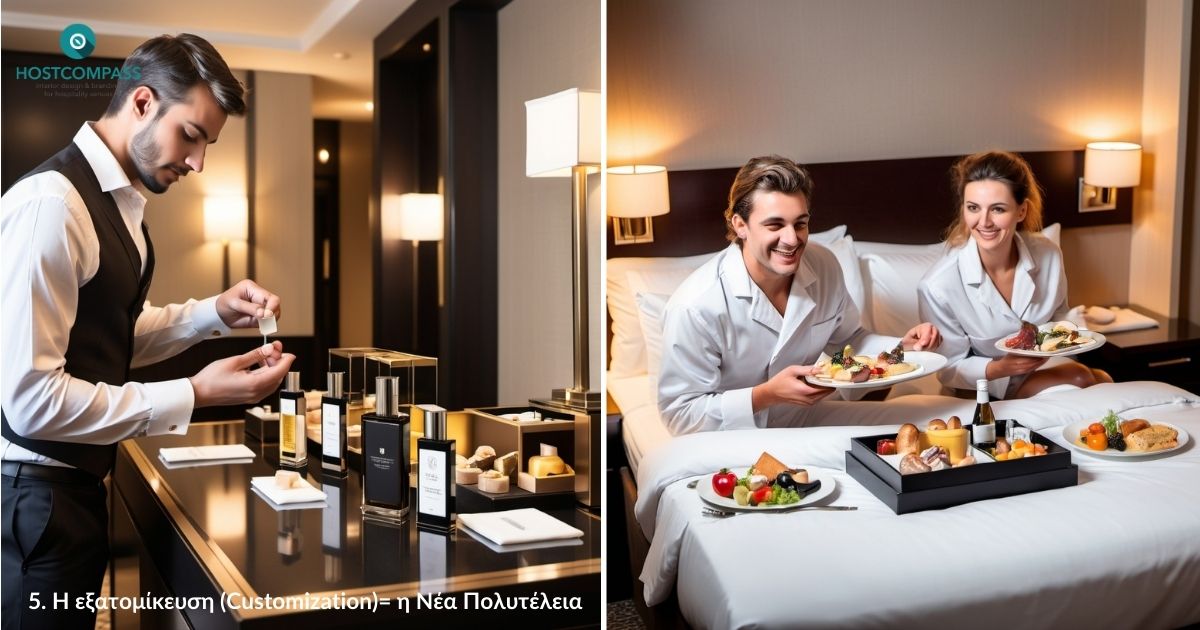
5. Customization: The New Luxury
The new luxury, as defined by customization, goes beyond traditional concepts of luxury associated with expensive accommodation, lavish décor, or ultra-luxury services. In the new era of hospitality, luxury is about the ability to offer the guest a fully personalized experience that reflects their individual needs and desires. This is not limited to the space and accommodation but extends to every aspect of the traveler's experience, from dining and activities to wellness services and transportation.
The new luxury, as defined by customization, goes beyond traditional notions of luxury associated with expensive accommodation, rich décor, or ultra-luxury services. In the new era of hospitality, luxury is about the ability to offer the guest a fully personalized experience that reflects their individual needs and desires. This extends not only to the space and accommodation but to every aspect of the traveler's experience, from dining and activities to wellness services and transportation.
Technology plays a key role in creating this new luxury. Through smart systems that record guest preferences, hotels can tailor the environment, services, and products to their desires. For example, guests may choose the room temperature, lighting intensity, or even music selection upon arrival, while simultaneously receiving suggestions for local activities based on their personal preferences. Furthermore, the new luxury is about giving the traveler full control over their experience, creating a sense of uniqueness. Guests feel that their stay is tailored exclusively to their needs, offering a sense of authenticity and high value. This strengthens customer loyalty, as they feel that the hotel or tourism business understands and cares for them on a personal level.
This approach to hospitality is not only about the luxury of materials but also the luxury of time and experience. The ability to enjoy a personalized experience without the concerns of daily life, such as having to plan, search, and choose from an endless list of options, makes the hospitality experience even more valuable and exclusive. The guest is no longer just a customer but a unique character in the travel world, entitled to absolute customization and luxury in their daily life.
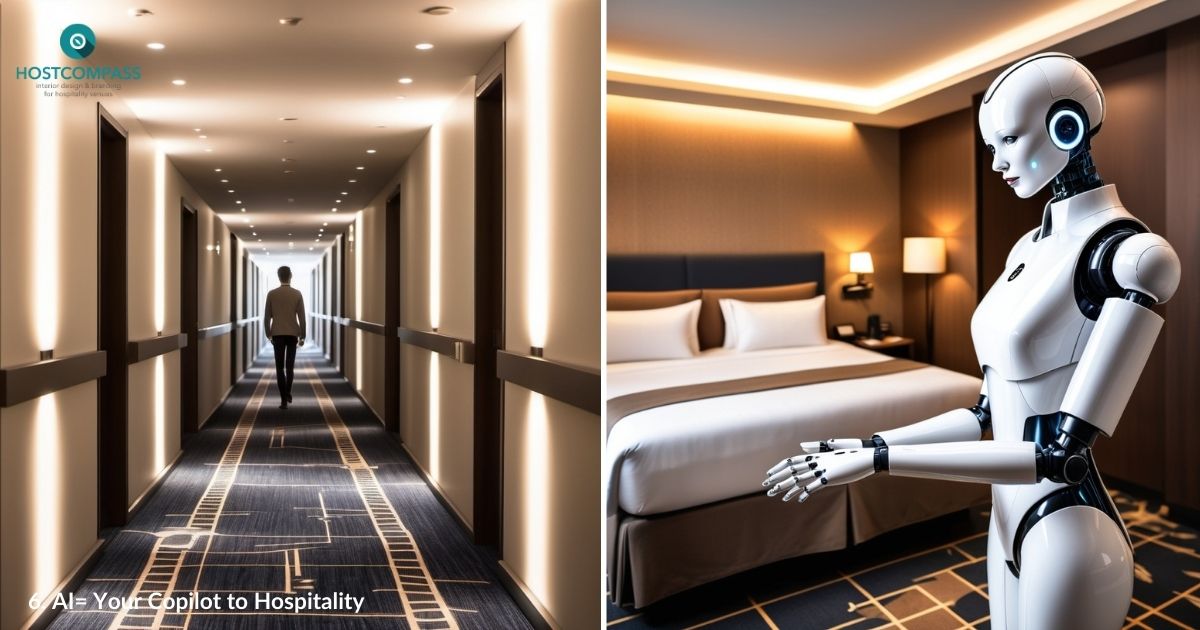
6. Artificial Intelligence (AI): The Copilot in Hospitality
The integration of artificial intelligence into the hospitality sector is accelerating! 63% of hoteliers are already using AI for pricing and market analysis. 75% of respondents expect AI to significantly enhance their revenue management decisions over the next 5 years. AI is not only affecting revenue management but also the way hospitality businesses organize and optimize their workforce. AI platforms will now assist in managing shifts, analyzing employee performance, and predicting staffing needs, saving time and reducing operational costs.
As guests now expect personalized experiences, AI enables businesses to go beyond traditional approaches to customization. By analyzing data from bookings, preferences, and interactions, AI can create personalized suggestions for accommodation, entertainment, and dining. Advanced algorithms recognize behavior patterns and dynamically adjust offerings, from suggested room temperature and pillow choices to personalized spa and excursion recommendations. This capability enhances the guest experience and increases the likelihood of repeat bookings.
Additionally, sustainability is a key trend in hospitality, and artificial intelligence enables businesses to reduce their environmental footprint through smart energy management systems, food waste reduction, and sustainable operations. AI algorithms can analyze real-time data from sensors to optimize energy usage, lighting, and air conditioning, saving resources and reducing operational costs. At the same time, AI-based waste management systems can predict food consumption in the hotel and reduce food waste.
Key Takeaways for Hospitality Professionals
2025 marks a pivotal development for the hospitality industry. To compete effectively, hoteliers must adopt AI, adapt to competition from short-term rentals, target budget-conscious travelers, optimize event strategies, leverage Total Revenue Management, and maintain flexibility strategies.

Evangelia Papadimitriou


