


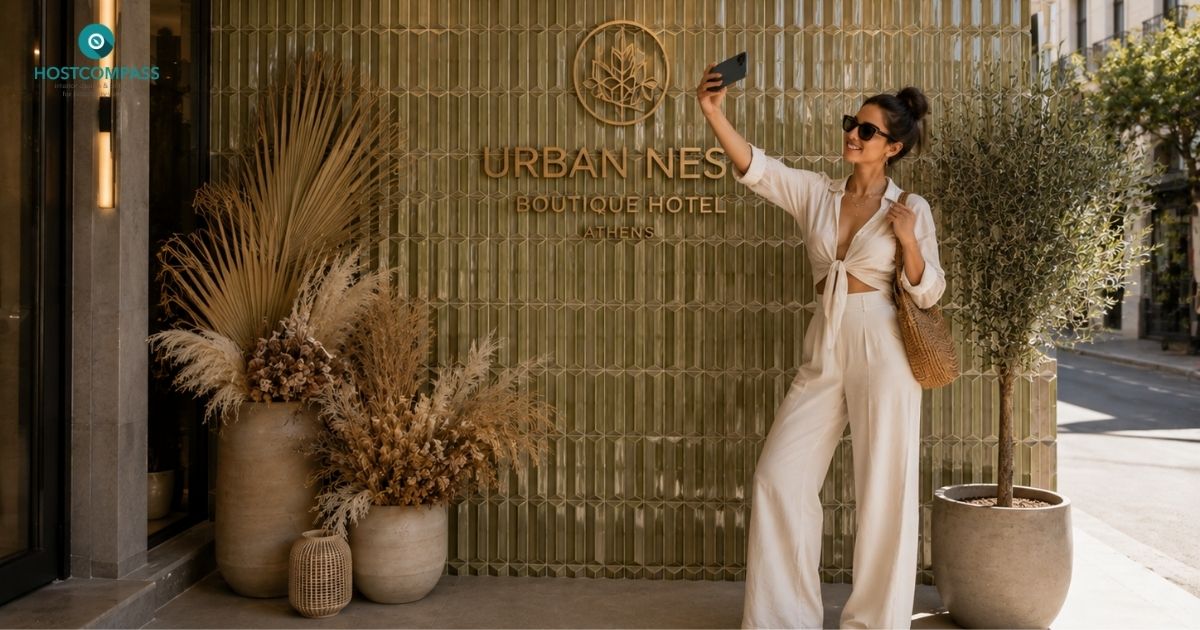
Glossy, glazed ceramic tiles are a material that can be used for much more than a conventional tiled surface. Even a small amount can create a feature that guests remember — and photograph.
With their glossy finish, subtle colour variations, small imperfections and handcrafted character, glazed tiles have made a strong comeback in hospitality design, creating striking spaces and features filled with light, colour and texture.
The real opportunity lies in their unexpected applications, particularly in small accommodations, hospitality venues and Airbnb properties, where thoughtful design can help a property stand out from the competition.
1. A façade feature can create the property’s identity
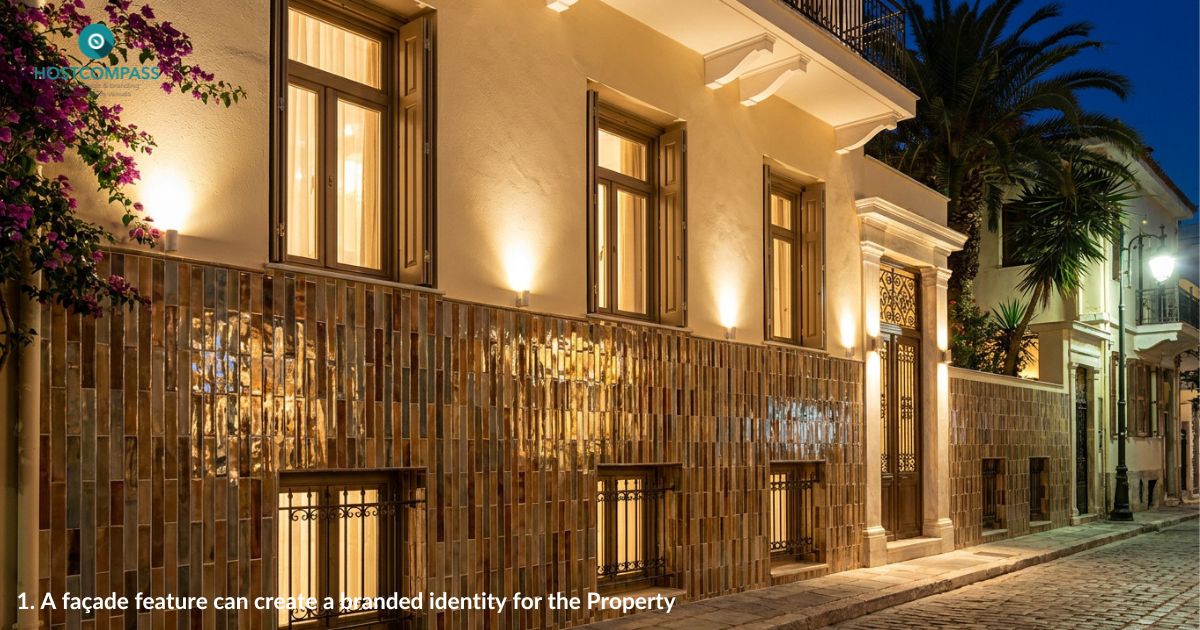
There is no need to invest in cladding an entire exterior. A small, strategically selected section around the entrance, a feature wall or an architectural frame can be finished with glazed tiles.
The result is a recognisable feature that immediately differentiates the property from dozens of similar accommodations.
In a small hotel or boutique accommodation, this can become the element guests see first when they arrive — the detail that sets the property apart from its competitors, but also the feature that appears again and again in photographs and on social media.
In other words, the tile is no longer simply a finishing material. It becomes part of the property’s visual identity.
2. A built-in seating area becomes a design statement
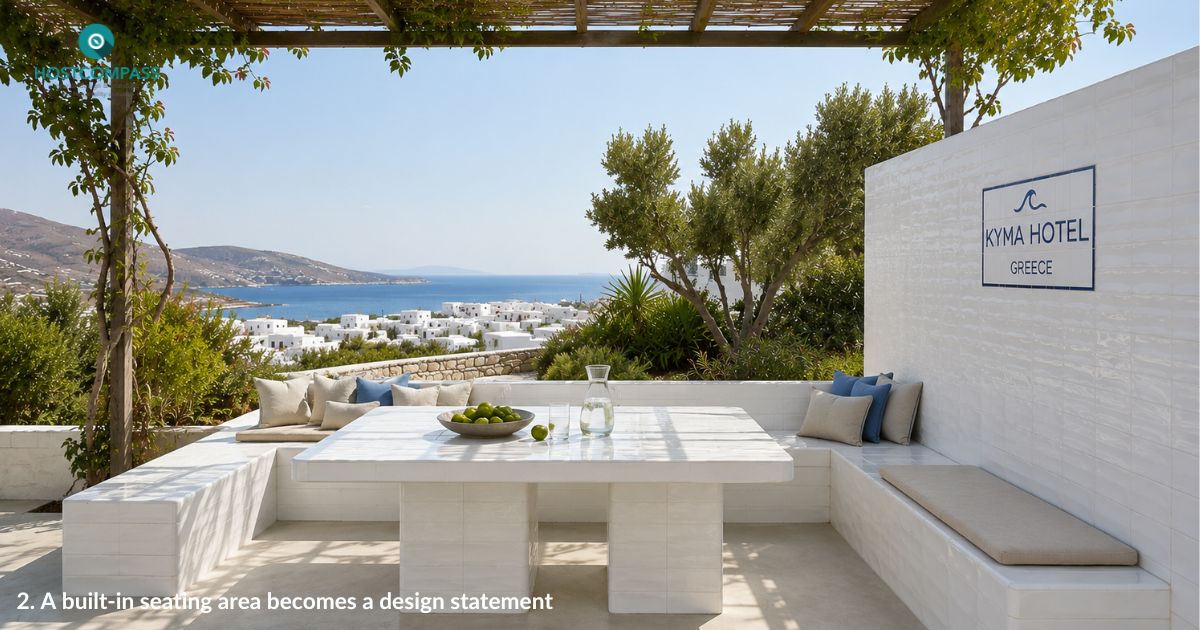
Built-in seating is an excellent solution for small spaces, as it provides functionality without taking up valuable floor area.
But what happens when, instead of leaving it plastered or cladding it with wood, we use glazed tiles?
The base or backrest of the seating can be finished in a bold colour or handcrafted texture, transforming a simple functional element into a distinctive design feature with a strong, recognisable character — while reinforcing the property’s branding and identity.
And most importantly: you don’t need a large surface. A small application can be enough to completely transform the character of the space.
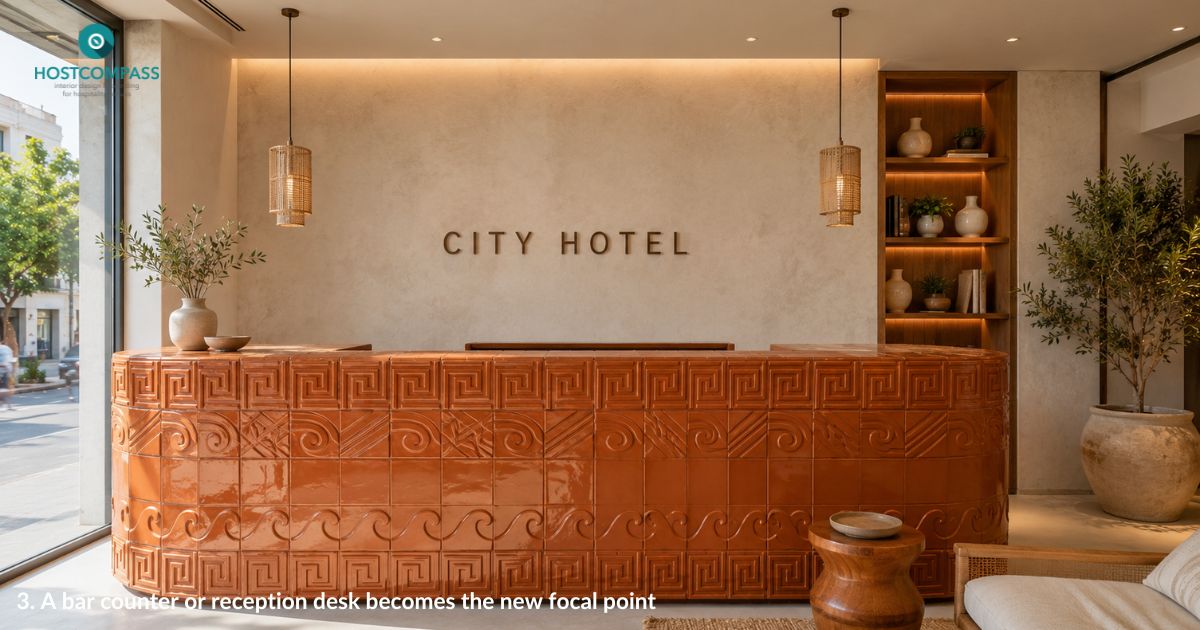
3. A bar counter or reception desk becomes the new focal point
A compact outdoor kitchen, BBQ counter or outdoor bar can acquire a completely different character when finished with glazed tiles.
This is particularly effective in a Greek island property, where the outdoor space is an essential part of the guest experience.
Such an application can become a genuine competitive advantage.
A practical amenity is transformed into a design feature that can take centre stage in the property’s photography and visual content.
4. Create a signature feature inside the Airbnb
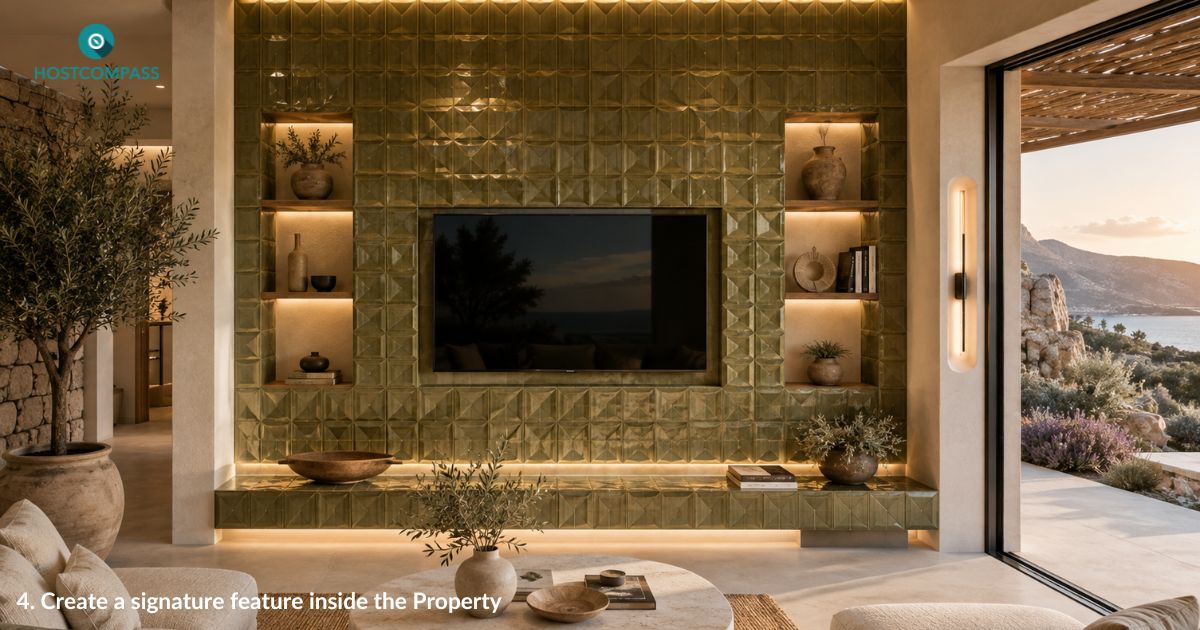
Instead of using the same tile throughout the entire property, create one signature feature.
It could be the wall behind the bed, a small bathroom vanity, a breakfast counter or even a custom-made piece of furniture.
The idea is simple: in a small space, you don’t need to make every element different. You need to create one feature that guests will remember.
This can become a small design detail that works as a photographic spot, differentiates the property across booking platforms and creates a more recognisable visual identity.
In conclusion…
The greatest value of this trend is not that glazed tiles are simply “fashionable”.
It is that they allow designers to create a strong visual impact with a relatively small amount of material.
In a small Airbnb or boutique accommodation, where every square metre and every euro invested needs to have a purpose, this becomes particularly important.
Whether it is a built-in seat, a BBQ counter, an entrance or a small feature wall, these elements can be transformed into features that create character, photographic appeal and differentiation.
And ultimately, that is what contemporary hospitality design is all about:
Not more materials — but smarter use of them.

Evangelia Papadimitriou


