


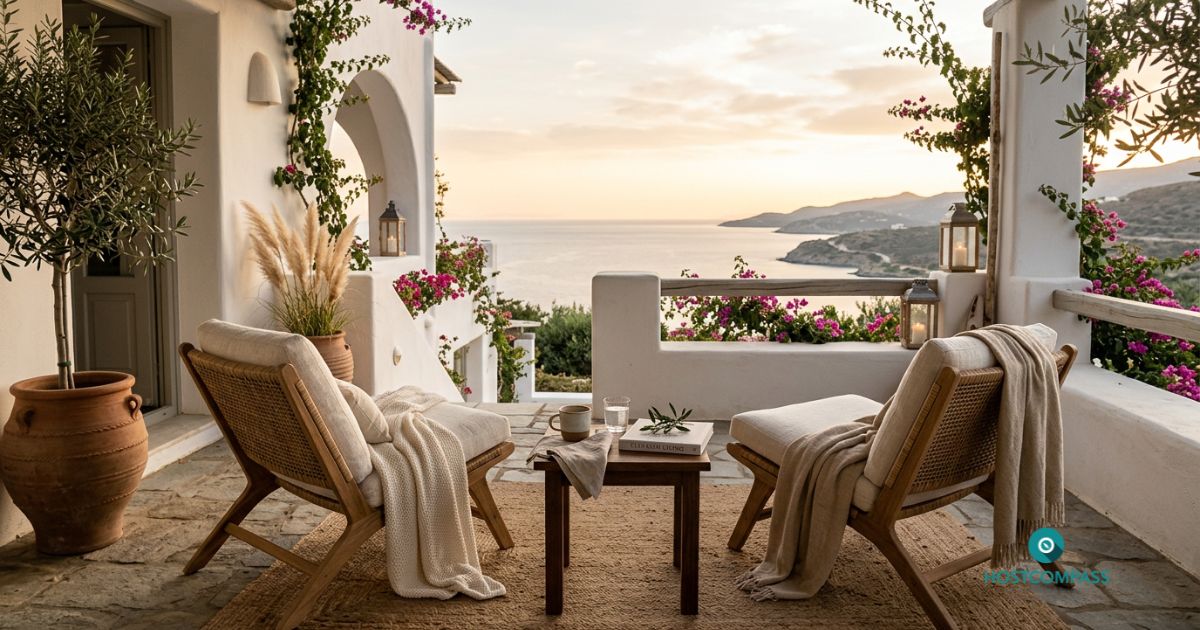
In modern hospitality, the guest is no longer just a customer. They are a content creator. Every photo uploaded to social media functions as organic advertising. The goal, therefore, is not simply to “add something beautiful,” but to design spaces that naturally encourage photography — without looking staged.
Below are 4 strategic applications within an accommodation.
1. The Headboard as a Photographic Backdrop
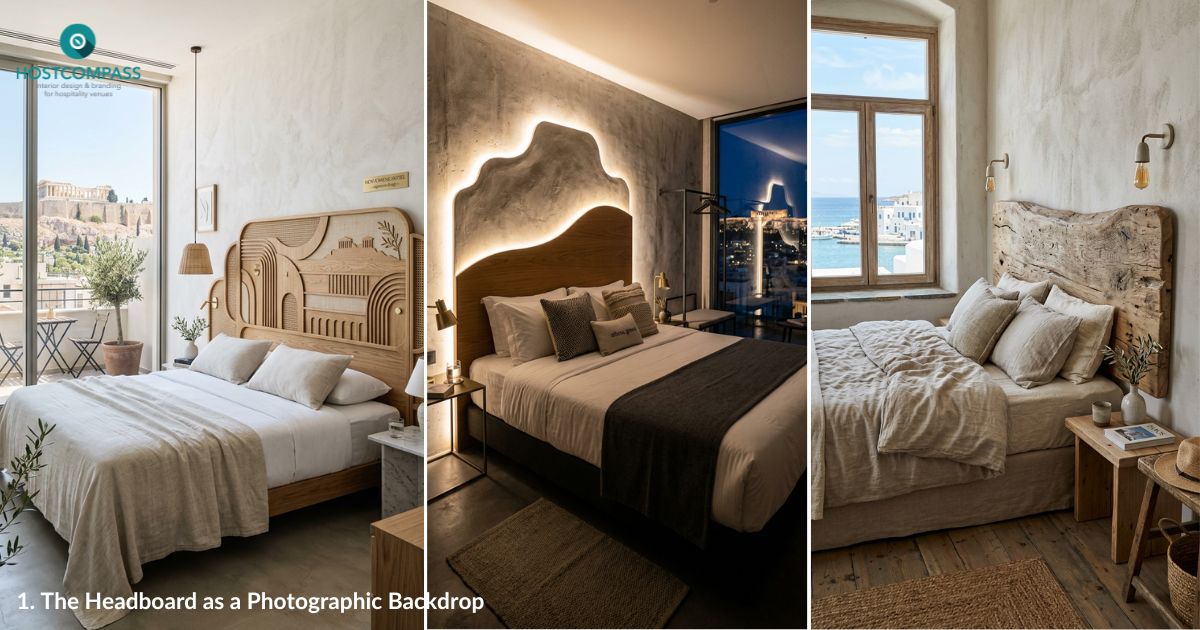
The bed is the most photographed spot in every room. Therefore, the wall behind it should not remain neutral — it is a prime opportunity to showcase the property.
Construct an architectural curve or a built-in niche and, instead of simple paint, apply a distinctive texture such as polished cement, natural wood, fabric, or a decorative panel.
Introduce a color contrast that “reads” well on camera — avoid overly dark tones — and incorporate concealed lighting to highlight the headboard.
Lighting is critical. Warm lighting at 2700K–3000K creates an atmospheric effect, ideal for photos without harsh facial shadows.
2. Full-Length Mirrors with Intentionally Designed Backdrops
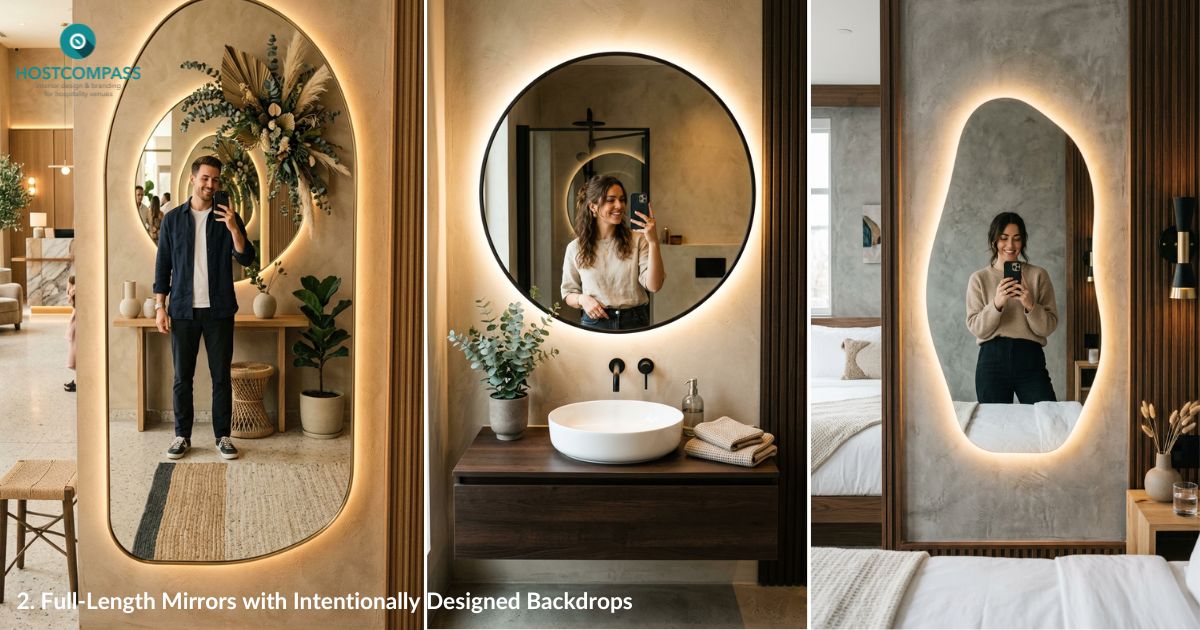
Mirror selfies will happen regardless. The question is: what appears behind them?
A full-length mirror should be placed near natural light — but not directly opposite it — with either a distinctive design wall or a clean background featuring one signature element.
Certainly not facing a cluttered desk or a television.
The property’s name can be subtly incorporated through a small vinyl detail or engraving — not as aggressive signage, but as a refined identity element. The mirror frame choice is equally important: Slim black metal for a minimal concept, wooden framing for a warmer atmosphere.
A mirror functions as a “controlled frame.” When designed correctly, every selfie becomes an expression of the accommodation’s branding.
3. Breakfast and Coffee as a Designed Experience
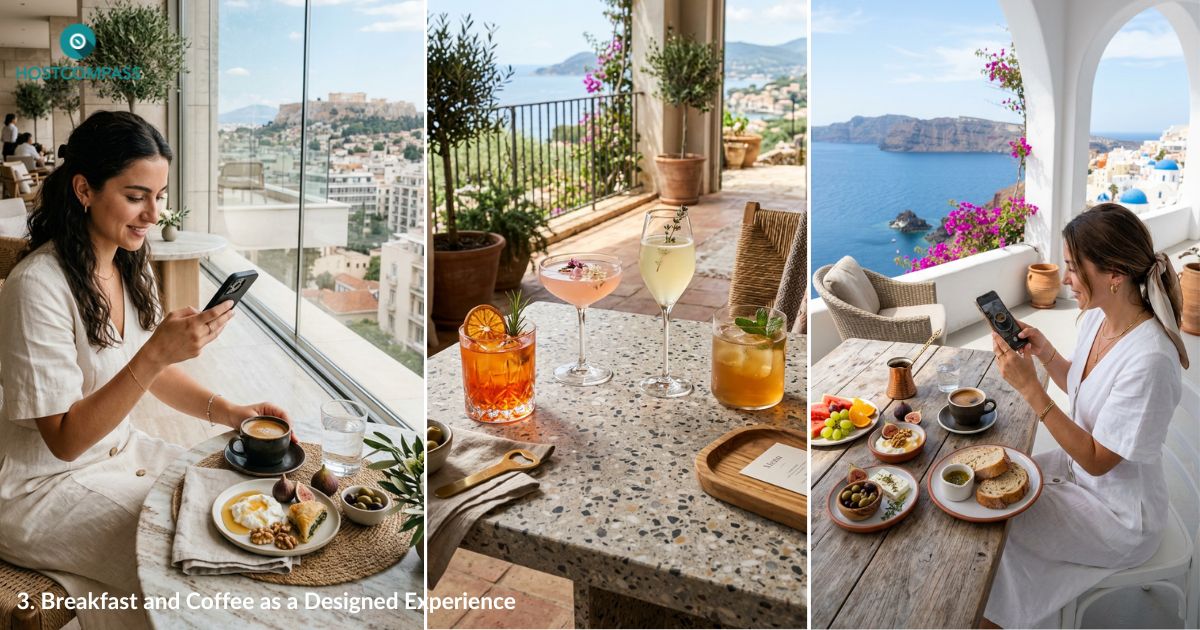
Morning coffee with a view is one of the most frequently shared vacation stories. To make this work strategically, placement must be both practical and stylish.
Position the serving table where it receives soft, side natural light — never direct backlight. Choose a neutral background or a clean view, free from visual “noise” that distracts from the breakfast or coffee setting. Blur the background and emphasize the foreground. Predefine the serving composition and select interesting tableware, maintaining a consistent setup with a tray, cup, fabric napkin, and a decorative plant. Decide in advance how breakfast or coffee with dessert will be presented, creating a ready-made photographic scene for your guests.
Functionality is essential. If guests need to move furniture to enjoy their coffee, they will not take photos. The experience must be ready. Click!
4. Outdoor Terraces and Seating Areas as Pause Points
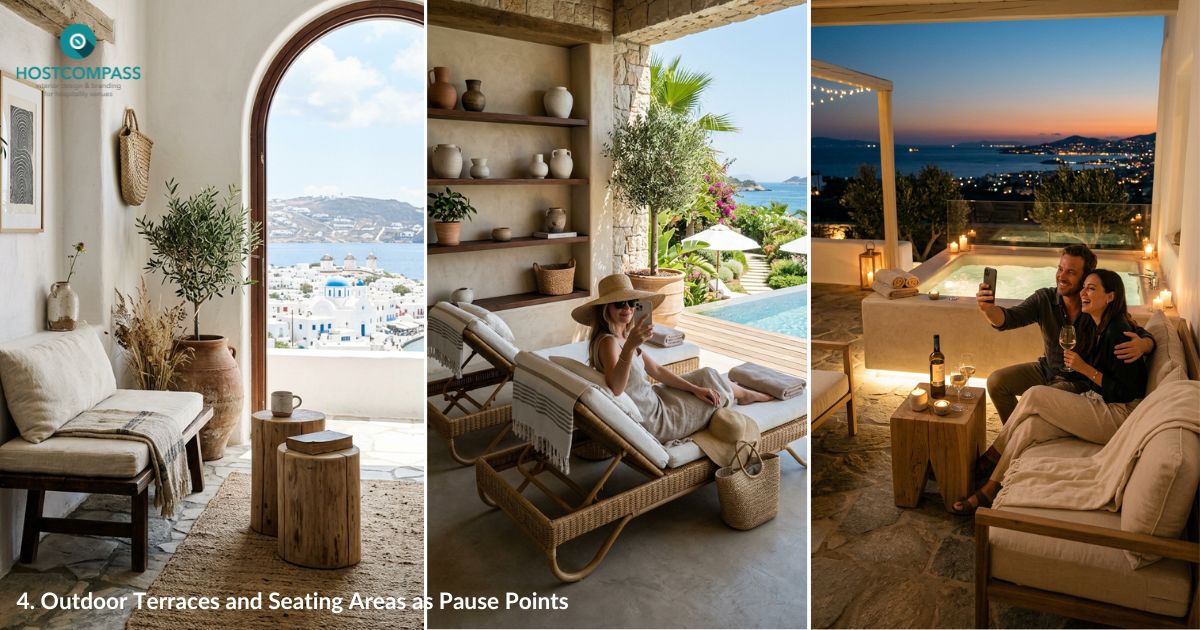
Outdoor space is a major advantage — one that can promote the property and add value, provided it is not left underutilized.
An Instagrammable outdoor spot can be created by harmoniously arranging a seating area with cushions in a coordinated color palette and two quality chairs framing the composition in proper proportion.
Incorporate greenery — for example, a flowering planter that softens the setting — and low-intensity lighting for evening ambiance. The layout should create a frame toward the view or the sky.
Avoid visual clutter or excessive decorative elements.
Clarity is what makes a photograph stand out. A well-designed outdoor space conveys privacy, tranquility, and a premium experience — factors that positively influence reviews and nightly rates.
In Summary…
Instagrammable corners — carefully designed, photogenic spots that can be highlighted on social media, particularly Instagram — are not merely a trend. They are a strategic branding tool.
When properly designed, they enhance visibility, increase perceived value, generate organic promotion, and indirectly influence bookings.

Evangelia Papadimitriou


